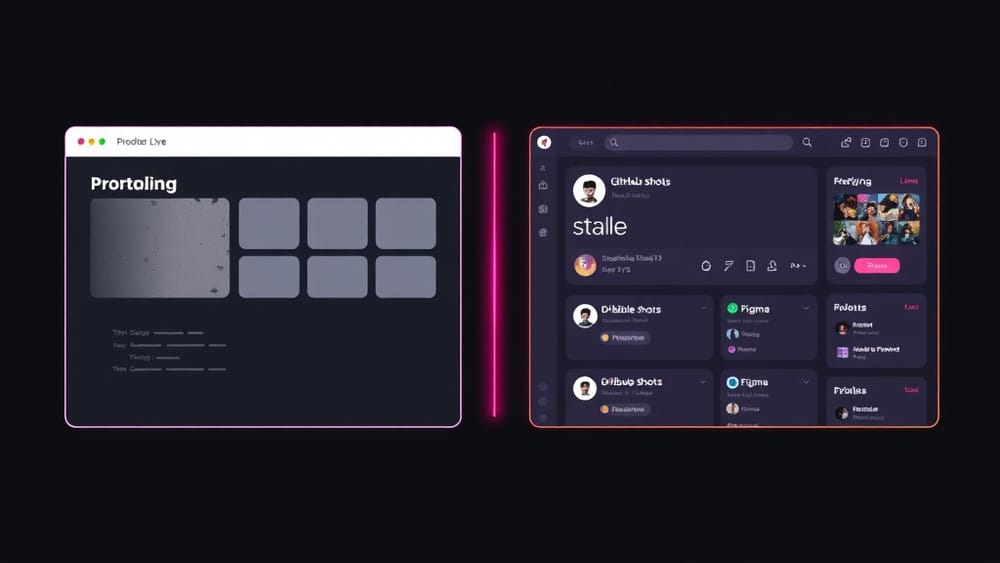
Your portfolio was perfect the day you launched it. Six months later, it still shows that project you deprecated, that role you left, and zero of the work you're actually proud of right now.
This is the static portfolio trap. And almost every developer, designer, and freelancer falls into it.
The Real Problem Is Not Laziness
The standard advice is to "set a calendar reminder to update your portfolio every quarter." That advice ignores human psychology. You are deep in a client project, shipping features, running design sprints. Manually updating a portfolio sits permanently at the bottom of the priority stack.
The problem is architectural. A portfolio that requires manual intervention will always decay. Full stop.
The fix is not discipline. It is building a system that removes the manual step entirely.
What a Live Portfolio Actually Means
A live portfolio is not just a portfolio with a blog you occasionally post to. It means your site pulls fresh data from the tools you already use every day:
- GitHub pushes your latest repos, contribution activity, and pinned projects automatically.
- Dribbble surfaces your most recent shots without you touching the portfolio codebase.
- Figma can expose published community files or case study links that stay current.
- LinkedIn or a structured CV feeds your work history so your experience section never lags behind your actual career.
The goal is a site that reflects who you are today, not who you were when you had a free weekend to tinker with HTML.
Why Static Portfolios Kill Opportunities
Recruiters and clients almost never tell you when they bounced from your site. They just move on. But a few patterns keep coming up:
Stale work erodes trust. If your most recent case study is two years old, a potential client does not assume you have been busy. They assume you have been idle.
Outdated tech stacks send the wrong signal. A developer whose portfolio still leads with jQuery in 2025 looks like someone who stopped learning, even if their actual work is cutting-edge.
Missing recent wins lose you the shortlist. That SaaS product you shipped last quarter, the open source library that picked up 400 stars, the rebrand project you wrapped last month: none of that exists to the person reading your portfolio if you never added it.
A single missed opportunity from a stale portfolio costs more than the hours it would take to build a system that auto-updates.
How to Shift From 'Build Once' to 'Systems That Maintain Themselves'
The mindset shift is this: your portfolio is not a document. It is a pipeline.
Here is what a self-maintaining portfolio system looks like in practice:
-
Source your content from APIs, not manual entry. Connect GitHub's API to pull pinned repos and language stats. Connect Dribbble's API to pull recent shots. Use a headless CMS that ingests structured data from your CV rather than requiring you to reformat everything into a new template.
-
Separate your content layer from your presentation layer. If updating your portfolio means editing HTML or JSX, you will not do it consistently. Your content should live in a structured source (a CMS, a JSON file pulled from version control, an API) that the site reads from automatically.
-
Automate deployment triggers. A GitHub Action that redeploys your site when you push a new repo description. A Zapier or Make workflow that fires when you publish a new Dribbble shot. Small automations compound into a portfolio that is genuinely always current.
-
Use a platform built for this. Rolling all of this yourself is a legitimate weekend project, but it is also scope creep away from your actual work. Tools designed around the live portfolio concept handle the integration layer for you.
CV2Folio, built by Novion, is built on exactly this premise. You connect your existing profiles and CV, and the system builds and maintains a portfolio that reflects your current work, not a snapshot of it. The architecture is designed around automation from the start, not bolted on afterward.
The Practical Minimum If You Are Starting Today
If a full rebuild is not on your plate right now, here is the minimum viable version of a self-updating portfolio:
- Pin your best six repos on GitHub. Your GitHub readme or a GitHub-connected portfolio widget will always reflect them.
- Write your case studies in Notion or a CMS with a public API. Embed or sync them rather than pasting static HTML.
- Store your CV as a structured JSON or YAML file in a private repo. Build or use a tool that reads from it directly.
- Set up one automation: Dribbble new shot triggers a webhook, or a GitHub push triggers a redeploy. One automated step breaks the inertia.
These are not perfect solutions. But they move your portfolio from a document that decays to a system with at least one self-updating component. That compound over time.
The Point Is Not a Perfect Portfolio
You do not need a portfolio that updates itself in real time across seventeen platforms. You need a portfolio that does not embarrass you six months from now.
The shift from static to live is less about technology and more about treating your portfolio like infrastructure: something you architect once to run reliably, not something you manually patch every time life gets busy.
Build your portfolio at cv2folio.novion.one and start with a system designed to stay current from day one.